Source retro digital print curtain fabric for Hotel, Home, Cafe
Compare 30 listings of retro digital print curtain fabric from Shaoxing suppliers. Buyers can evaluate styles like yarn dyed and printed, widths from 58 to 110 inches, and functions including blackout and flame retardant properties for hotel, home, and cafe applications.
Key considerations
Products List




Comprehensive Sourcing Guide
Sourcing Strategy for Retro Digital Print Curtain Fabric
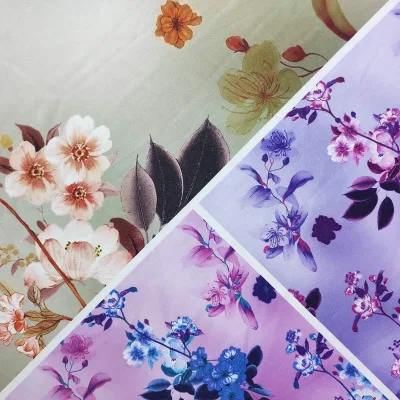
The global market for home textiles has seen a significant shift toward personalized aesthetics, with retro digital print curtain fabric emerging as a versatile category for both residential and commercial procurement. For B2B buyers, navigating this sector requires a disciplined approach that balances aesthetic trends with rigorous technical verification. The term "retro digital print" implies a specific visual style, often characterized by vintage color palettes, geometric patterns, or nostalgic motifs, applied through modern digital printing technologies. However, the underlying material properties, manufacturing standards, and supply chain logistics are equally critical to the success of any procurement project. This guide outlines the essential factors buyers must evaluate to ensure the acquisition of high-quality curtain fabric that meets both design specifications and functional requirements.
Technical Specifications and Material Composition
When sourcing curtain fabric, the first step is to define the technical parameters that will dictate the fabric's performance and suitability for the intended application. The core material composition is a primary determinant of the fabric's drape, durability, and light-blocking capabilities. In the current market, polyester remains a dominant fiber type due to its cost-effectiveness and resistance to fading. Buyers should verify whether the fabric utilizes short fiber or filament polyester, as this distinction significantly impacts the hand feel and surface texture. Short fiber varieties often provide a softer, more matte appearance, while filament fibers offer a smoother, slightly lustrous finish that may be preferred for high-end applications.
The manufacturing process also plays a crucial role in the final product quality. Digital printing technology allows for high-resolution imagery and complex color gradients, which are essential for achieving the "retro" aesthetic. However, the base fabric must be compatible with these printing techniques. Common weaving methods include plain weave, twill, or specialized structures like dobby and jacquard. A dobby weave, for instance, creates small geometric patterns directly into the fabric structure, adding texture that complements digital prints. Similarly, jacquard fabrics offer intricate, raised designs that can enhance the depth of a retro print. Buyers must also consider the fabric weight, typically measured in grams per square meter (GSM). A weight range between 150 GSM and 350 GSM is common for curtain applications, with heavier weights providing better light blockage and a more luxurious drape.
Width is another critical specification. Standard curtain widths often range from 58 inches to 110 inches, or 150 cm to 320 cm, depending on the production line and the specific product model. Procurement teams must align these dimensions with their window sizes to minimize seam allowances and waste. Additionally, the fabric's physical features, such as opacity and shrinkage resistance, must be verified. While some products are marketed as sheer, others are designed as blackout fabrics, which are essential for hotels and bedrooms. The presence of functional treatments, such as waterproofing, tear resistance, and flame retardancy, should be confirmed through technical data sheets rather than assumed based on the print style alone.
Compliance, Certification, and Safety Standards
In the B2B textile sector, compliance with international safety and environmental standards is non-negotiable. Buyers must ensure that the supplier can provide documentation verifying that the fabric meets relevant regulations for the target market. One key area of concern is formaldehyde concentration, a chemical often used in fabric finishing that can pose health risks if levels are too high. Buyers should request test reports confirming that formaldehyde levels are within safe limits, such as below 0.30 mg/m³, which is a benchmark for low-emission textiles.
Fire safety is another critical compliance area, particularly for commercial applications in hotels, cafes, and public buildings. Many jurisdictions require curtain fabrics to be flame retardant. Buyers should verify if the fabric carries certifications from recognized testing bodies like SGS. The presence of a "Blackout Fabric" standard or specific flame-retardant ratings should be explicitly stated in the product specifications. It is important to note that not all digital print fabrics are inherently flame retardant; this property often depends on the chemical treatments applied during the finishing process. Therefore, buyers must distinguish between the base fabric's properties and the added functional treatments.
Environmental certifications, such as those related to sustainable dyeing processes or low-impact manufacturing, are increasingly valued. While specific certification names should not be assumed, buyers should inquire about the supplier's adherence to environmental management systems. The origin of the fabric, often traced to textile hubs like Shaoxing or Keqiao in Zhejiang, China, can also provide context regarding local regulatory environments. However, local origin does not guarantee international compliance; independent third-party testing remains the gold standard for verification.
Cost Drivers and Pricing Dynamics
Understanding the cost structure of retro digital print curtain fabric is essential for budgeting and negotiation. The price of the fabric is influenced by several variables, including the complexity of the digital print design, the quality of the base material, and the volume of the order. Digital printing allows for short runs and complex designs without the high setup costs associated with traditional screen printing, making it cost-effective for smaller orders. However, the unit price can vary significantly based on the GSM and the specific fiber type used.
Minimum Order Quantity (MOQ) is a significant factor in the total cost of procurement. MOQs can range widely, from as low as 1 meter for sample orders to 5,000 meters for bulk production. Buyers should be aware that lower MOQs often come with a higher per-unit cost, while larger orders benefit from economies of scale. The observed price range in the market for similar products can vary from $0.40 to $5.69 per unit, depending on the specifications and supplier tier. This wide range underscores the importance of defining precise requirements before requesting quotes.
Packing and logistics also contribute to the final cost. Standard packing methods, such as roll packing or single-width rolling packing, affect the efficiency of shipping and handling. Customization options, such as specific widths or unique patterns, may incur additional charges. Buyers should also consider the lead time, which can impact the overall project timeline and inventory costs. While specific lead times should be verified with each supplier, understanding the typical production cycle for digital print fabrics helps in planning.
Typical Applications and Design Considerations
The versatility of retro digital print curtain fabric makes it suitable for a wide range of applications. In residential settings, these fabrics are popular for living rooms, bedrooms, and dining areas where a touch of nostalgia and artistic flair is desired. The ability to customize patterns allows interior designers to create cohesive themes that blend vintage aesthetics with modern functionality. For commercial spaces such as hotels, cafes, and restaurants, the fabric must balance aesthetic appeal with durability and safety. The "Hotel, Home, Cafe" usage category highlights the fabric's adaptability to different environments.
Design considerations extend beyond the visual pattern to include functional requirements. For instance, blackout curtains are essential for hotels to ensure guest comfort and privacy, while sheer fabrics are preferred for living rooms to allow natural light. The "Multicolor" design attribute suggests that these fabrics can accommodate complex, vibrant patterns that are characteristic of retro styles. However, buyers must ensure that the color fastness of the digital print is sufficient to withstand exposure to sunlight, especially in south-facing windows.
The application of the fabric also dictates the necessary technical properties. For example, curtains in high-traffic areas like cafes may require tear-resistant and shrink-resistant treatments to maintain their appearance over time. The "Short Fiber" and "Filament" fiber types offer different tactile experiences, which can influence the choice based on the target market. Understanding the specific needs of the end-user is crucial for selecting the right fabric from the diverse range of available options.
Supplier Evaluation and Quality Control
Selecting the right supplier is a critical step in the procurement process. Buyers should evaluate potential suppliers based on their production capabilities, quality control systems, and reputation. The location of the supplier, such as Shaoxing or Keqiao, indicates access to a robust textile supply chain, but it does not guarantee quality. Buyers should request samples to assess the fabric's hand feel, print clarity, and color accuracy. It is also important to verify the supplier's ability to meet specific customization requirements, such as unique widths or specialized finishes.
Quality control measures should be rigorous and transparent. Buyers should inquire about the supplier's internal testing protocols, including checks for color consistency, dimensional stability, and functional performance. Third-party testing reports, such as those from SGS, provide an additional layer of assurance. The presence of specific product models, such as "20210115CF9" or "BDCV-0094," can serve as reference points for verifying the supplier's product range and consistency. However, buyers should not rely solely on model numbers; they must ensure that the specific batch they receive matches the agreed-upon specifications.
Communication and responsiveness are also key indicators of a reliable supplier. A supplier that is transparent about their production process, lead times, and potential challenges is more likely to deliver a satisfactory outcome. Buyers should establish clear communication channels and define expectations regarding quality standards and delivery schedules. Regular updates and the ability to address issues promptly are essential for maintaining a successful partnership.
Long-Term Procurement and Supply Chain Resilience
For long-term procurement, buyers must consider the sustainability and resilience of their supply chain. The textile industry is subject to various risks, including raw material price fluctuations, regulatory changes, and logistical disruptions. Building a relationship with a supplier that demonstrates flexibility and a commitment to quality can help mitigate these risks. Buyers should also consider the environmental impact of their procurement decisions, seeking suppliers that adopt sustainable practices and offer eco-friendly options.
The ability to scale production is another important factor. As demand grows, the supplier must be able to increase output without compromising quality. This requires a robust production capacity and a well-managed supply chain. Buyers should discuss potential scalability with their suppliers and ensure that the agreed-upon terms can accommodate future growth. Additionally, maintaining a diverse supplier base can reduce dependency on a single source and enhance supply chain resilience.
In conclusion, sourcing retro digital print curtain fabric requires a comprehensive understanding of technical specifications, compliance requirements, cost drivers, and supplier capabilities. By following a disciplined approach and verifying all claims through documentation and testing, buyers can ensure the acquisition of high-quality fabric that meets their design and functional needs. The integration of these factors into the procurement strategy will lead to successful outcomes and long-term value for the organization.
FAQs
What material composition is used for retro digital print curtain fabric?
The fabric is primarily made of polyester, available in short fiber or filament types. This composition ensures cost-effectiveness and resistance to fading while offering different hand feels for various applications.
Which certifications verify the safety and quality of this curtain fabric?
Products often carry SGS standards and meet formaldehyde concentration limits below 0.30mg/m³. These certifications ensure the fabric is safe for use in homes and commercial spaces like hotels and cafes.
Can buyers customize the width and packing of the curtain fabric?
Yes, customization is available for widths ranging from 58 inches to 110 inches or 150 cm to 320 cm. Packing options include roll packing or 280cm single width rolling packing to suit logistics needs.
What functional properties does the retro digital print fabric offer?
The fabric provides shrink-resistant, waterproof, tear-resistant, and flame-retardant functions. Some variants also feature blackout capabilities, making them suitable for bedrooms and hotels requiring light control.
Where are the manufacturers of this curtain fabric located?
Manufacturers are located in textile hubs such as Shaoxing and Keqiao in Zhejiang, China. These locations provide access to a robust supply chain for producing high-quality woven and printed fabrics.
What is the typical weight range for this woven curtain fabric?
The fabric weight typically ranges from 150 GSM to 350 GSM, with some specific models falling between 200 and 300 GSM. Heavier weights offer better light blockage and a more luxurious drape.
Which styles and patterns are available for digital print curtain fabric?
Available styles include yarn dyed, printed, dobby, jacquard, and plain dyed options. Patterns can be multicolor or feature specific designs like dobby weaves that add texture to the fabric surface.